Tokenomics Planning built with clear logic, usable wallet flows and operational control
Team Digi Marketing delivers tokenomics planning with a clear working scope. We handle utility definition, supply allocation, release schedules, incentives and scenario review to align token design with product use, sustainability and stakeholder behaviour. Every recommendation is tied to the project’s actual audience, workflow and operating needs.

Web3 development begins with rules, roles and risk—not only a smart contract
We map who can do what, how value moves, which records must remain visible and how administrators respond when something goes wrong. The contract, application and backend are then designed as one system.
The essentials of a Web3 product people can use and teams can operate
Supply Structure
Defining total supply, circulation strategy and inflation control mechanisms.
Token Utility
Creating real use cases that drive demand and ecosystem growth.
Incentive System
Reward mechanisms for users, investors and ecosystem participants.
Vesting Strategy
Structured lockups and release schedules for long-term stability.
How Team Digi Marketing moves a Web3 product toward launch readiness
The engagement progresses through use-case definition, architecture, contract logic, application development, testnet review and controlled deployment.
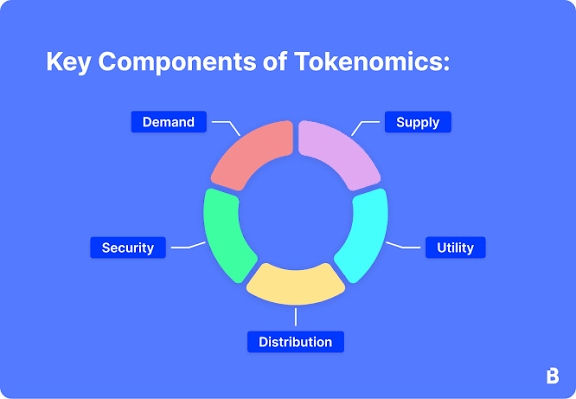
Token Utility Design
Defining real use cases that create demand and ecosystem value.
Supply & Distribution Planning
Balanced allocation for team, investors, rewards and liquidity.
Incentive Mechanism Design
Staking, rewards and burn mechanisms to stabilize token value.
Sustainability Optimization
Continuous model refinement based on market behavior and adoption.

Built Around Your Use Case
Clear Scope • Practical DeliveryA Tokenomics Planning partner that keeps strategy and execution connected
Our approach to tokenomics planning is straightforward: understand the use case, agree on the working scope and make every decision easy to explain. The objective is to align token design with product use, sustainability and stakeholder behaviour without burying the project under vague deliverables.
Utility before token mechanics
We clarify the product use case and participant roles before defining on-chain actions.
Security-aware architecture
Permissions, upgrade paths, fund movement and failure cases are considered early.
Readable user journeys
Wallet connection, approvals, transactions and status messages are designed for clarity.
Operational visibility
Admin controls and off-chain records are planned so the product can be managed after launch.